
Pearls have long been known as the “queen of gems” — elegant, timeless, and full of natural beauty. But not all pearls are the same. The two main types you’ll encounter are freshwater pearls and saltwater pearls. Their names differ by just one word, yet their characteristics are worlds apart. Let’s break it down.
🌊 Different Habitats
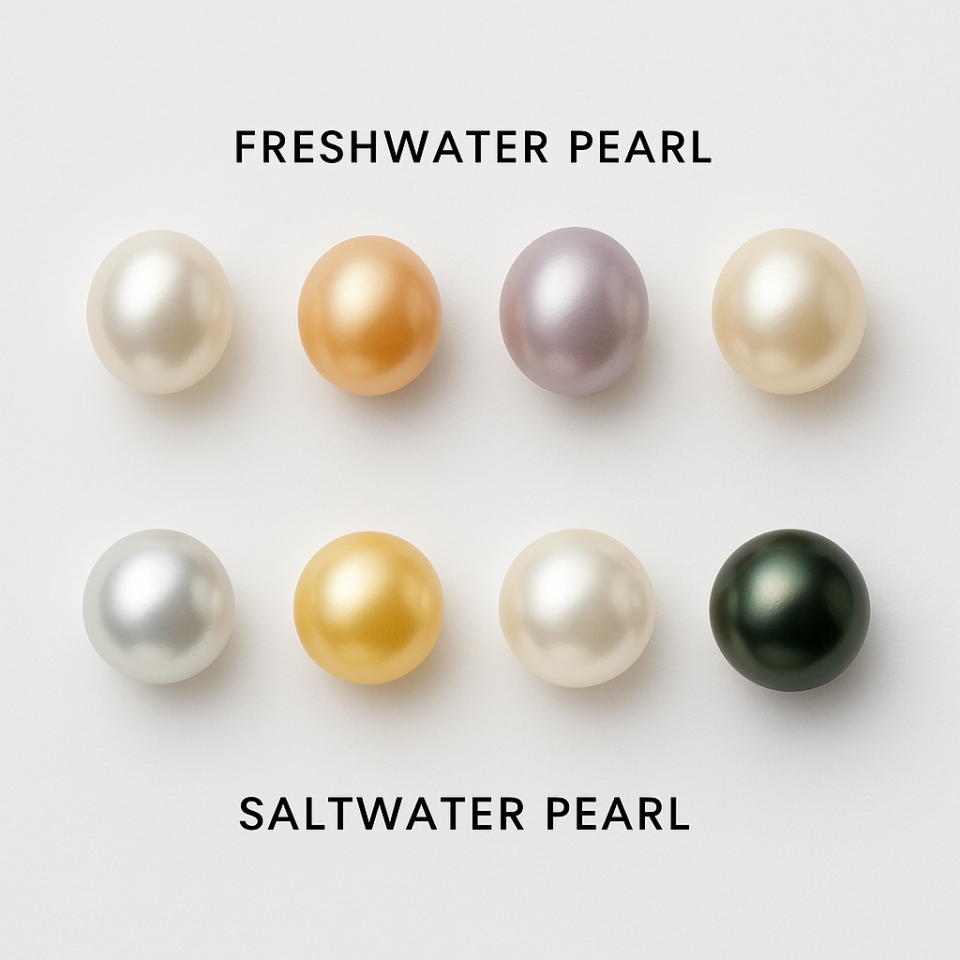
- Freshwater pearls: Grow in rivers, lakes, and ponds. China is the world’s largest producer.
- Saltwater pearls: Form in the ocean. Famous varieties include Japan’s Akoya pearls, South Sea pearls from Australia, and Tahitian black pearls. The environment shapes their rarity and character.
🐚 Different Host Shells
- Freshwater pearls: Usually cultivated in mussels. Different species of mussels produce very different numbers of pearls: some can yield dozens, while species like the Hyriopsis cumingii mussel can produce at most about three pearls.
- Saltwater pearls: Grown in oysters such as Akoya, Black-lipped, or White-lipped oysters. Typically, one oyster yields only 1–2 pearls.
👉 That’s why saltwater pearls are rarer.
🔵 Appearance
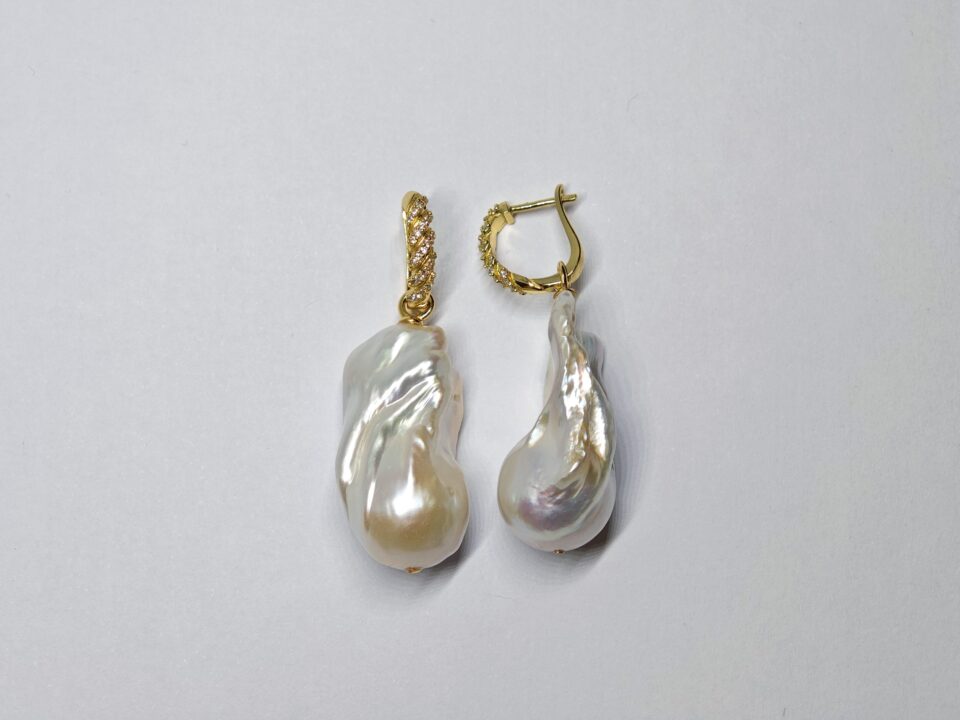
- Shape: The beauty of freshwater pearls lies in their diversity. Beyond classic near-rounds, large baroque pearls and various baroque shapes stand out as one-of-a-kind natural artworks. In contrast, saltwater pearls are better known for their roundness.
- Size: Freshwater pearls range from small to impressively large, especially those grown in large baroque mussels, which are often full-bodied and bold in presence. Saltwater pearls, on the other hand, can grow up to 20mm and are celebrated as “large pearls.”
- Luster: Freshwater pearls glow with a soft, satiny radiance — gentle and natural, with baroque pearls adding a unique, artistic character. Saltwater pearls, by comparison, are prized for their sharper, mirror-like luster and striking depth.ls have a soft, satiny glow. Saltwater pearls reflect a sharper, mirror-like shine with more depth.
🎨 Colors
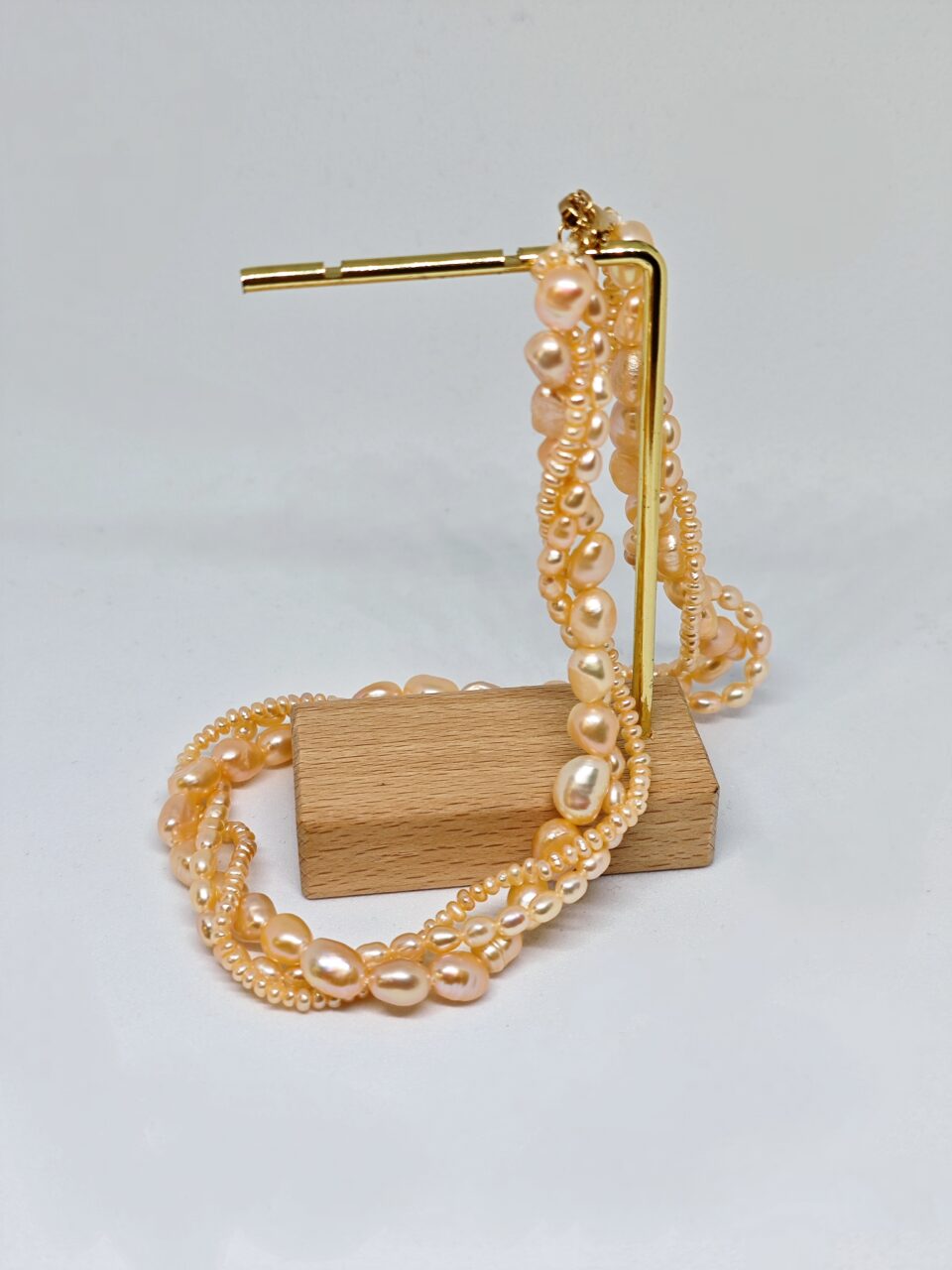
- Freshwater pearls: Naturally found in white, pink, lavender, peach, and more.
- Saltwater pearls: Colors depend on the oyster species:
- Akoya: white with rose or silver overtones
- South Sea: large, in white or golden shades
- Tahitian: exotic black, gray, or green tones
💎 Structure & Durability
- Freshwater Pearls:Most are “nucleus-free” or only contain a tiny seed, meaning the entire pearl is composed almost entirely of nacre layers. This makes them generally more durable and less prone to peeling or wearing down over time.
- Saltwater Pearls:Most are “nucleated,” with a round bead nucleus at the core and layers of nacre coating the outside. While this helps produce rounder and larger pearls, the nacre layer is relatively thinner, so they require more careful handling and protection to avoid damage or erosion.ire gentler care.
💰 Price & Value
- Freshwater pearls: Abundant and affordable, great for everyday wear.
- Saltwater pearls: Scarcer and harder to farm, which makes them more valuable and highly prized in fine jewelry.
✅ In Short: How to Choose
- On a budget / for daily wear → Go for freshwater pearls. Stylish, versatile, and affordable.
- Looking for investment or luxury → Choose saltwater pearls. Rounder, glossier, and more prestigious.
✨ Whether freshwater or saltwater, pearls are loved for their elegance and warmth. The best pearl for you is the one that matches your style and story.